qq
Why China's favorability is rising across the Global South_我的网站

一 |
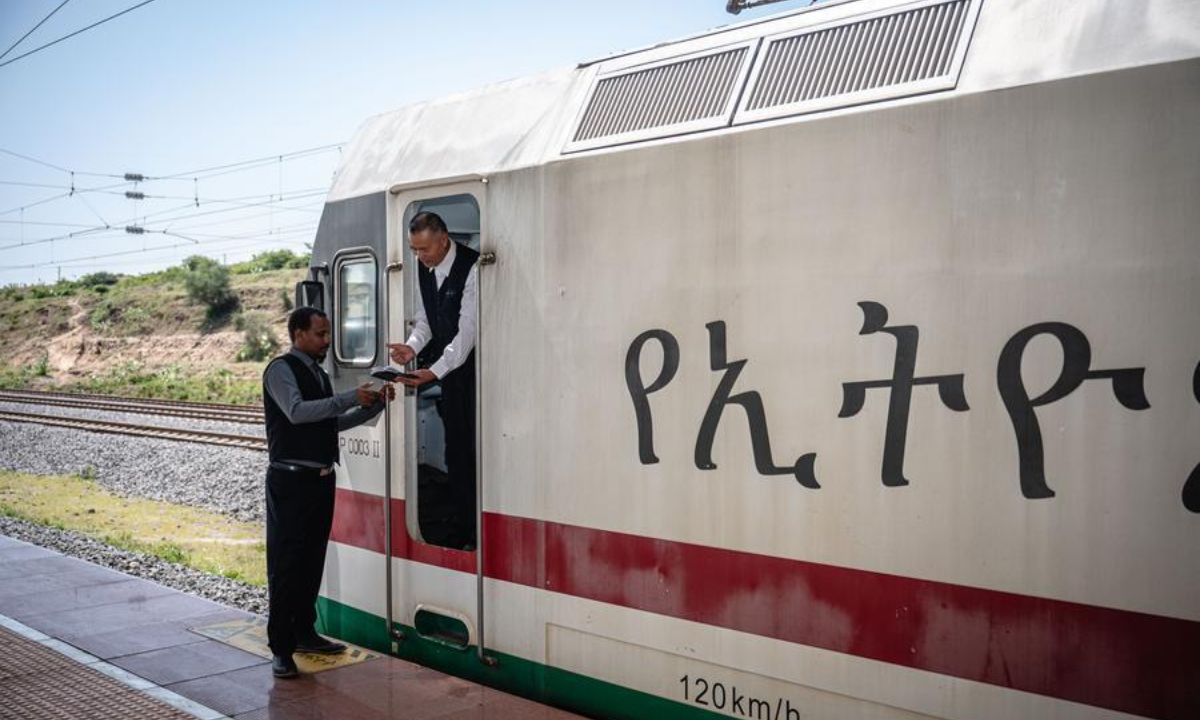
A local train driver receivs a notebook from his Chinese predecessor at the Adama station in Adama City, Ethiopia, Sept. 9, 2023. (Xinhua/Wang Guansen)The global perception landscape is changing. For decades, the United States occupied a dominant position in international public opinion. The latest Pew Research Center survey, however, points to a notable turning point: for the first time in more than two decades, China is viewed more favorably than the United States across a larger number of countries.
What explains China's growing appeal?
For many developing countries, China offers a practical development partnership centered on infrastructure, investment, industrialization, technology transfer and trade. Rather than prescribing a single pathway to modernization, it has generally emphasized allowing countries to pursue development in line with their national priorities.
One reason China's influence has grown is that its development model is highly visible. From Ethiopia's railways to Pakistan's power plants, Chinese-financed projects address everyday development challenges by improving transport, energy security and connectivity. Through the Belt and Road Initiative, China has mobilized nearly 1 trillion U.S. dollars in infrastructure investment, producing projects that citizens can see, use and associate with economic progress.
The distinction lies not only in the scale of investment but also in the evolving priorities of development cooperation. While many Western partners have increasingly emphasized economic security, strategic de-risking, private-sector mobilization and governance reform, China has combined large-scale investment in physical infrastructure with technology transfer, industrial cooperation and human capital development.
At the same time, China has actively promoted trade by expanding market access, including granting zero-tariff treatment to many least-developed countries, deepening currency-swap arrangements, and encouraging the use of local currencies in cross-border trade. Together, these measures seek to strengthen economic connectivity, reduce transaction costs and exchange-rate risks, and create new opportunities for developing countries to integrate into regional and global value chains.
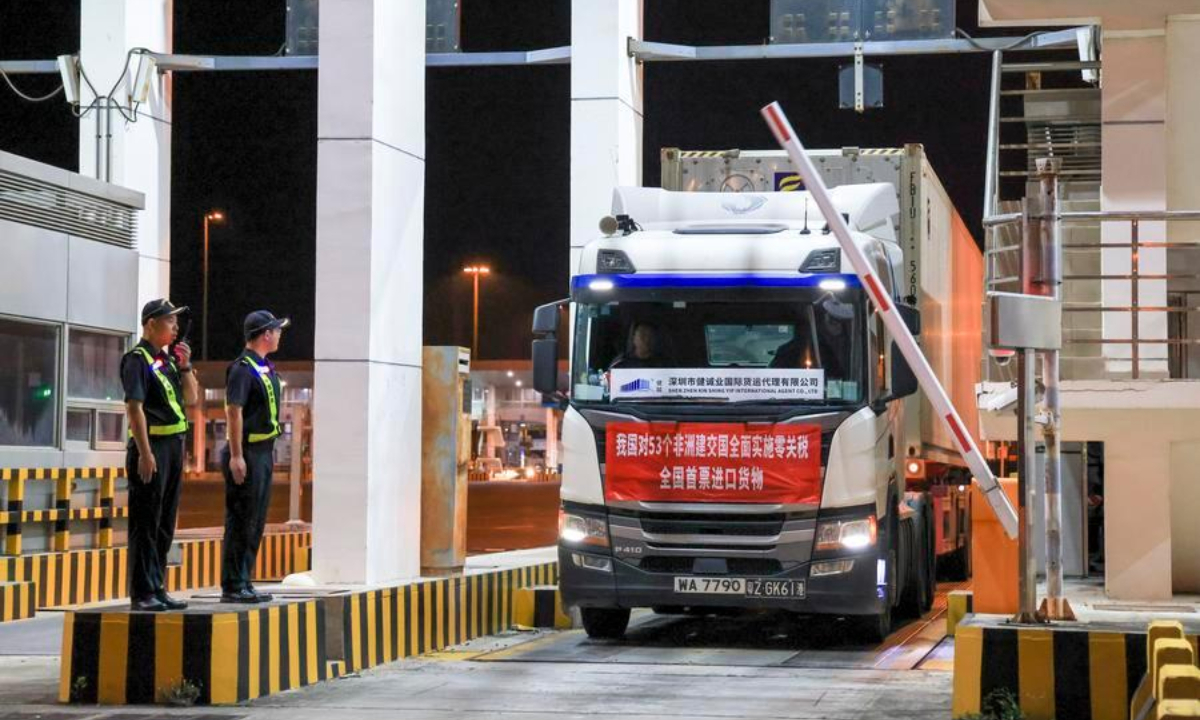
A container truck, transporting the first batch of imports under China's expanded zero-tariff treatment to 53 African nations, enters Shenzhenwan Port in Shenzhen, south China's Guangdong Province, May 1, 2026. (Xinhua/Mao Siqian)
This integrated approach has produced tangible improvements in productivity, connectivity and local capacity, reinforcing perceptions of China as a long-term development partner.
Equally important is the philosophy underpinning China's engagement. Beijing consistently emphasizes sovereignty, mutual respect and non-interference, maintaining that every country should determine its own political and development path. For many governments across the Global South, this approach is a partnership based on equality rather than political conditionality, allowing them greater policy space to pursue domestic development priorities.
Diplomatic style has also influenced perceptions. Through mechanisms such as the Forum on China-Africa Cooperation and regular engagement with Pacific Island countries, China has committed itself to equality and shared development. For many governments in the Global South, that sense of respect and recognition is not merely symbolic -- it contributes to long-term political trust.
Perhaps the most important nuance is this: the Global South is not becoming anti-American; it is becoming strategically pragmatic. Its foreign policy decisions are increasingly guided by national interests, economic opportunity, and development priorities rather than Cold War-style geopolitical alignment.
The Global South's primary ambition is neither ideological nor geopolitical -- it is developmental. Governments want to create jobs, eliminate poverty, modernize infrastructure, strengthen industrial capacity and improve the quality of life for their citizens. China's transformation over the past four decades, from lifting hundreds of millions of people out of poverty to becoming a global leader in infrastructure, manufacturing and technology, has demonstrated what sustained long-term planning can achieve. Consequently, many developing countries are looking to China not as a model to replicate wholesale, but as a development partner from which they can learn, cooperate and pursue shared prosperity while preserving their own policy autonomy.
This contrast is also reflected in broader policy priorities. At a time when many Western governments are increasingly emphasizing tariffs, export controls, technology restrictions, sanctions and economic security, China has continued to promote infrastructure investment, trade, industrial cooperation, technology partnerships, open-source AI initiatives and greater access to its domestic market. Whether one agrees with either approach or not, many developing countries evaluate partnerships primarily through the lens of economic development and tangible outcomes. That difference in emphasis is helping reshape global perceptions.
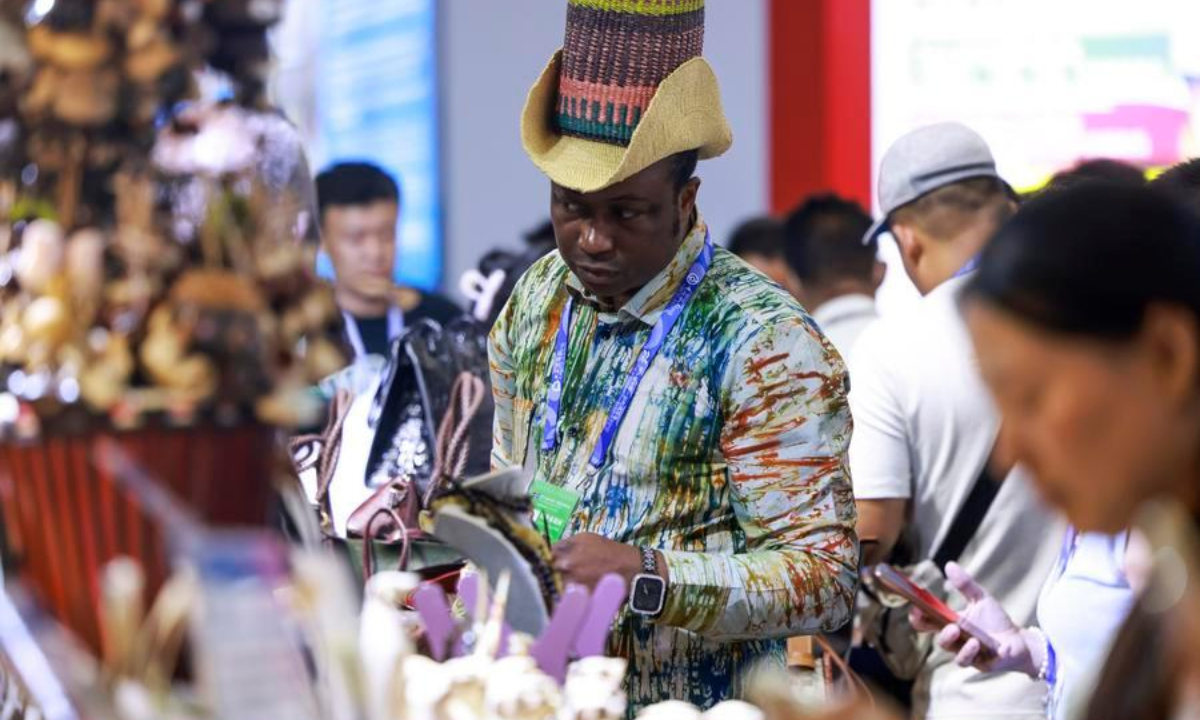
A staff member arranges exhibits at the booth of Nigeria during the 9th China-Eurasia Expo in Urumqi, capital of northwest China's Xinjiang Uygur Autonomous Region, June 25, 2026. (Xinhua/Wang Fei)
The world is changing, and the transition toward a more multipolar international order is becoming increasingly evident. The Global South is no longer a passive participant in world affairs. Its countries are exercising greater strategic autonomy, making decisions according to their own national interests, development priorities and the aspirations of their people. In China, developing countries have found a true friend and good partner.
Editor's note: Maya Majueran serves as the director of the Belt and Road Initiative Sri Lanka, an independent and pioneering organization with strong expertise in Belt and Road Initiative advice and support.
。 一
1873年,维也纳万国博览会,大清漂洋过海带来三样展品:丝绸、瓷器,以及东北大豆。
那年世界刚从霍乱中挣脱,正在萧条下喘息,急需希望之物。

二 | 欧洲植物学家围观大豆,称其为“天赐”。
清廷同样满心骄傲。那大豆产自山海关外龙兴之地,数年间便将茫茫黑土变成天下粮仓。
每年丰收时,大豆南下,布茶北上,辽河上千帆竞逐,一片繁华景象。
此后,为剿灭太平天国,清廷被迫允许外国商船运输大豆。命运开始转向。
东北大豆流入日本,广受欢迎。豆饼可做肥料,炼油可供食用,日本高度精炼大豆油后,发明出色拉油。

三 |
1908年,英国轮船拉着上百吨东北大豆,从海参崴驶抵伦敦,拉开中国大豆出口西方的世纪大幕。
大豆很快风靡欧洲,隔年传至美国,此后,东北大豆每年出口超120万吨。

四 |
大清帝国已至黄昏,大豆是为数不多,能阻止白银外流的手段。
东北因大豆急速繁荣,大连成海运重镇,营口成油坊中心,长春成大豆运输集散地,被称为“豆都”。
从大连到长春的亚细亚特快列车飞驰,铁轨两侧是无边沃土。
1920年,东北大豆产量已占世界88%,每年出口可换白银54600万两,那些白银,成为奉系军阀的底气。
张作霖父子治下,东北主要商品就是大豆。为打破日本人运输垄断,1922年,张作霖下令,强修奉海铁路。
那是东北第一条自己的铁路,张作霖严令“不能转让或抵押给外国人”,铁路开通后,运输货物七成是大豆。
奉海铁路开通4个月后,皇姑屯爆炸声响起,乱世烟尘落下,长夜大火熊熊。
张作霖死后,张学良连修三条铁路干线,并在山海悬崖间建葫芦岛港,宣布以后西方只能到葫芦岛港买东北大豆。
日寇大怒,东北大豆已成日本经济命脉,军国主义的獠牙,抵近关东黑土。
1931年,葫芦岛货运启动,当年9月18日,日本关东军突袭沈阳,一年后,东北沦陷。
那些大豆带来繁华,破碎如旧梦,此后东北大豆被加工成日军的炸药、涂料和飞机合板。
茫茫暗夜中,只余歌声低徊在山野:
“我的家在东北松花江上,那里有森林煤矿,还有那满山遍野的大豆高粱。”
张学良修建葫芦岛港同年,美国农业部派植物学家来东北,随行携带18个军用储物箱,以及静态和动态相机。

五 |
8个月后,他们踏上归途,在中国收集了4578个不同的大豆种子样本。
此后十年,美国大豆产量翻了9倍,20世纪30年代,美国开始成为主要大豆生产国。
美国人依靠大豆,修复黑风暴掠过的土地,挣脱大萧条肃杀的阴影,二战时,美国农业部广发宣传册,鼓励农民:种植更多的大豆以取得胜利。
1954年,美国大豆产量跃居世界首位,占全球总产量46.9%。

六 |
而那年的东方,大豆离开舞台中央,新中国首要任务是种植粮食,解决人口吃饭问题。
唯有北大荒,大豆依旧是主角,拓荒者吃着炒黄豆,测出荒野万顷。
大豆重在黑土生长。
作家林青的笔下,那片广袤的土地有个特殊季节,叫“大豆摇铃的时节”。

七 |
二
1982年,美国大豆协会以国际项目为名,在北京开设办事处。
那年,中国还是世界大豆主要出口国,与美国是竞争关系,到竞争对手国家开拓市场,被视为荒谬之举。
然而,美国人看重中国市场潜力,他们招募大量中国的博士生和硕士生,到农村鱼塘边,推广豆粉饲料。
漫长布局后,九十年代中国经济加速,1993年,美国大豆协会在上海增设代表处,外企开始沿中国海岸线建榨油厂。
这些外企大批进口大豆,1996年,中国从大豆出口国变为大豆进口国。
有协会前往南美考察,惊讶地发现四大跨国粮商,已深度控制当地大豆产业,修建铁路,控制仓储,左右航运,操盘一切。
那年的国人在商战前尚天真无邪,无人预料到远方的惊涛。
2001年加入世贸后,大豆成为首批开放的产品。中国代表原以为中国是大豆故乡,进口只是临时补充:
“回想起来,当时大家太盲目乐观了。”
两年后,无声的战争到来了。
2003年8月,美国农业部突发报告,称受干旱影响,美国大豆将减产至20年最低水平。豆价应声暴涨。
8月,大豆期货价格涨至1900元每吨,12月,已增至2661元每吨。当年秋天,中方11家企业组成代表团,奔赴芝加哥谈判。
芝加哥期货交易所大楼内,谈判激烈,最终中方以14亿美元高价,共签订250万吨采购合同,并增加250万吨的意向合同。

八 |
消息传出后,交易所大厅一时寂静,随即爆发出狂热的欢呼。
很快,商战露出狰狞的真面目。
合同敲定当月,美国农业部宣布此前数据有误,大豆不会减产,反而将迎丰收,国际大豆价格瞬间暴跌至2200元/吨,跌幅达50%。
签约的中方企业损失惨重,70%企业无奈违约,遭遇巨额索赔,并被实施全球采购禁令。
2004年,中国大豆加工企业,从千家锐减到90家。而这90家中,有64家被四大跨国粮商控股。中国85%的压榨产能,从此易手。
2004年底,大豆价格回到年前水平,风波仿若从未发生,然而,行业刻骨铭心,将所经历的称为“大豆斩首行动”。
多年后回首,落幕出局的企业家称:
今天我们谈到全球化,总有人以为中国才是最大受益者,殊不知这里头渗透了多少血泪,是交了多少惨痛的学费才换来的一点进步。
美国粮商控股中国企业后,要求只能买进口大豆,黑龙江大豆再难卖出,农民改种玉米。
东北寒冷的冬日,长期停产的油脂企业内,总经理看着电脑上芝加哥期货交易所价格发呆。
而在万里之外,大洋彼岸,美国北达科他州的农民,同样盯着电脑上的价格,满心雀跃。
2018年,美国出口大豆达260亿美元。
那些大豆,从谷仓塔出发,乘火车奔向太平洋海岸,装上远洋货轮,数周后抵达中国,然后被加工成大豆油和豆粕,流入无数家庭。
大豆在世界机器中轰隆流转,直至2018年被按下暂停键。
那年,特朗普发难,反制之下,美国大豆被征关税,全球豆价跌至十年低点。
太平洋上,满载7万吨美国大豆的飞马峰号,疯狂疾驰,试图在新价生效前,赶到大连。
它冲刺在全球化崩裂的黄昏,最终在港口前,减速,熄火,停下。

九 |
它没赶上时间窗。

十 | 那年整个八月,它在大连港外海原地打转,随潮起伏,无所适从。
三
2018年8月,美国大豆出口协会在堪萨斯州,举办大会。
中国买家如约而至,然而在参观农场、视察豆田、体验收割机后,一单也没买。
有关大豆的故事开始转向。
2019年,农业部印发《大豆振兴计划实施方案》,此后多项政策组合发力,国产大豆开始复兴。

十一 |
中储粮在内蒙增收大豆,新疆大豆亩产创纪录;在东三省,收购大豆的告示广为张贴,种植大豆比种玉米,每亩多补助200元。
最新发展规划中,2025年,大豆种植面积将达1.6亿亩,年产2300万吨。黄河、淮海、西北、西南和长江中下游地区,都在进行大豆玉米复合种植。

十二 |
自产同时,中国买家也有了新去处。
巴西最大港口桑托斯港,金黄色大豆从粗大管道倾泻而下,倒入万吨巨轮的货仓内,港口工作人员用铲子平仓,甲板上落满循味而来的鸽子。
巴西已成中国最大的大豆供应国,当地农场主大规模铲除以往英美需求的咖啡可可,开始专心种大豆,“从头建供应链”。
在邻国阿根廷,大批大豆同样运向东方,2019年,美国记者探访写道:
这个国家的船中有一半装满了大豆、豆粉、豆油等大豆制品,驶向亚洲。

十三 |
2025年8月,巴西数据显示,8个月共向中国出口大豆6600万吨,创历史新高。
同月,特朗普发文称:
“我们伟大的农民生产着最优质的大豆。

十四 | 我希望中国能迅速将其大豆订单提高到原来的四倍。

十五 | 我们将提供快速服务。”
然而,中国不为所动。今年,中国首次在出口季节开始时,没有购买任何美国大豆。

十六 |
美国大豆协会主席凯莱布坐在拖拉机上,向特朗普紧急呼吁:中国市场对我们的生计至关重要。
10月8日,伊利诺伊州大豆丰收,然而豆农满心焦虑,他们对美国政府的补贴计划并不满意:
“如果中国开始在其他地方采购,就很难再回到美国购买。一旦我们失去了这些,就再也回不来了,这对我们的子孙后代来说是巨大打击。”
美国各地收获的大豆,堆积在谷仓中,而谷仓已不够用,多地正临时加盖。
10月15日,伊利诺伊州一处谷仓,因存储过多崩塌,816吨大豆轰然流淌而下,烟尘四起。

十七 |
一切在烟尘中落幕又开幕,而大豆也完成百年的旅程。
它是万国博览会的骄子,是军阀的财源,是敌寇的狼烟,是北大荒的根系,是全球化的明星,是怒海的惊涛,是时代的种子。

十八 |
百余年前,闯关东的人们涌入东北,披荆斩棘,烧山开荒,垦出农田。
第一年,他们种上荞麦。第二年,他们种上成片大豆高粱。
那大豆骄傲生长。
一如这片土地,有自己的倔强。
本文来自微信公众号:摩登中产,作者:摩登中产。
Current article:http://inrqs.wenwancaomohenenqiongpangshun.bond/news/20260826_844021.html
Published on:01:02:53