国考
Tibetan medical thangkas draw global spotlight at symposium in Xizang_我的网站

一 |
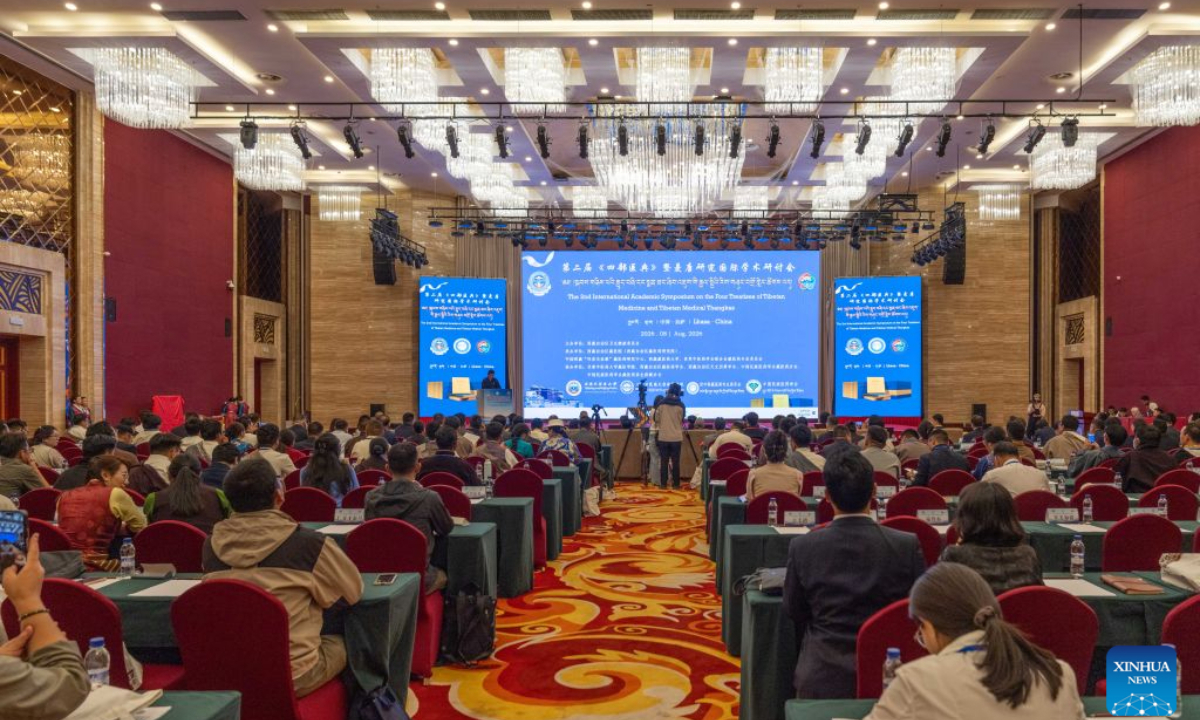
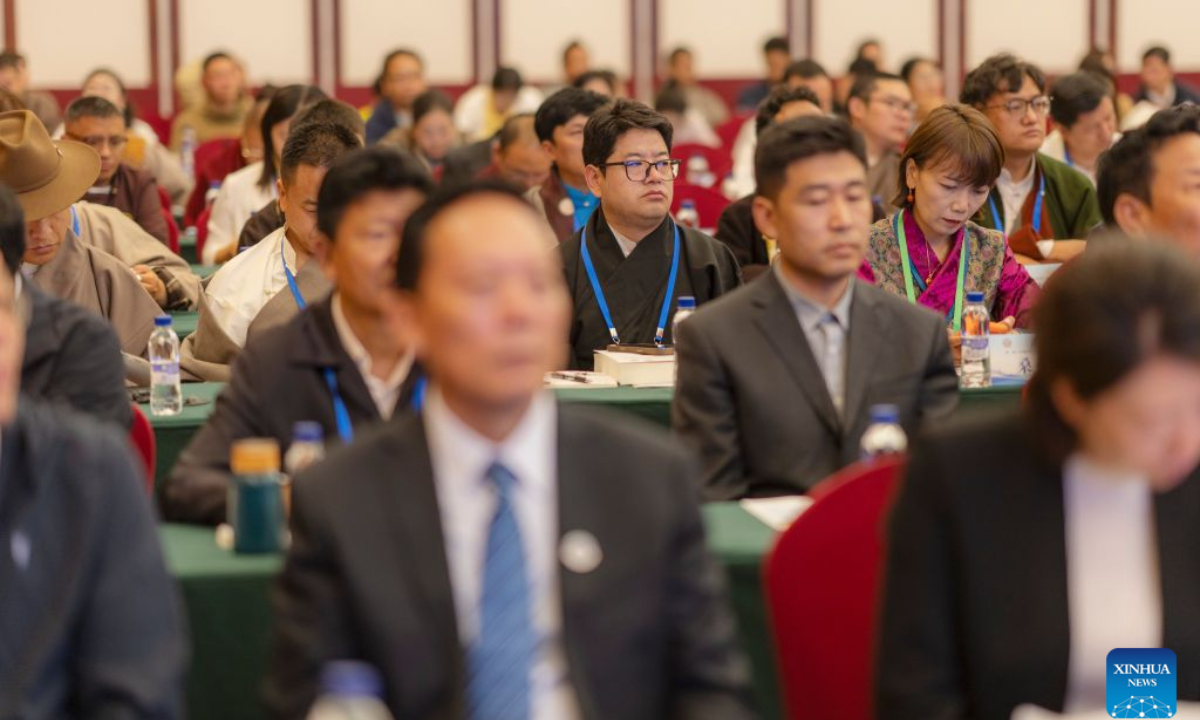
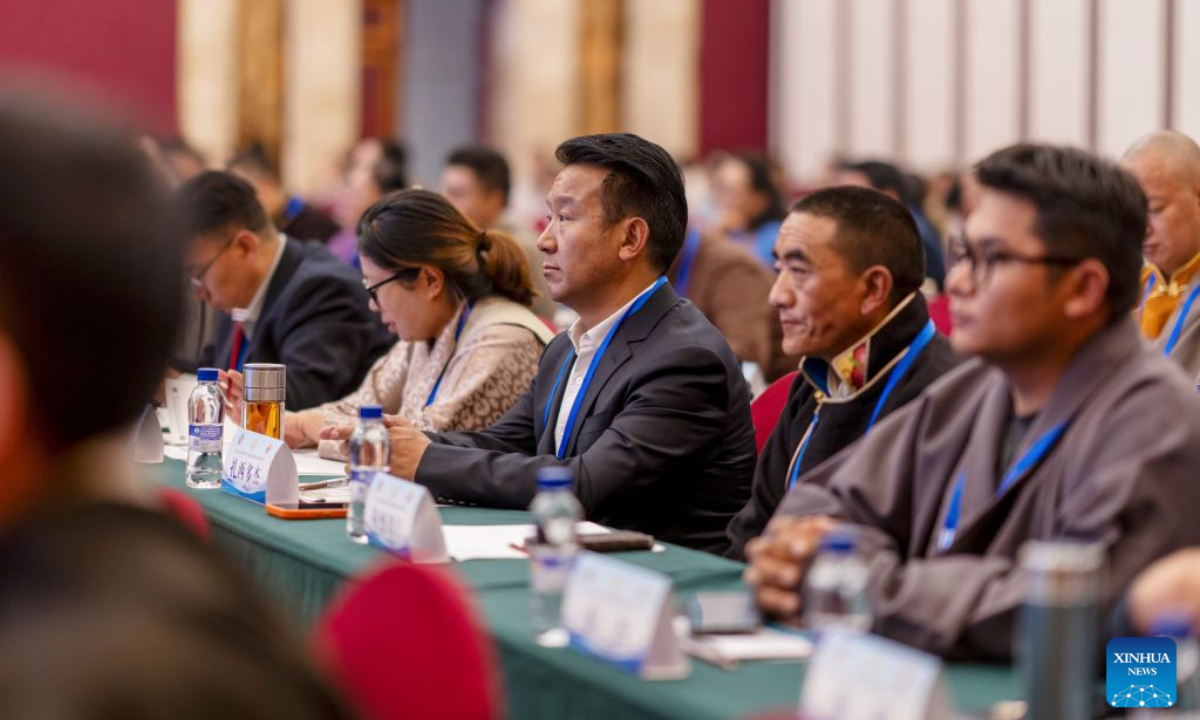
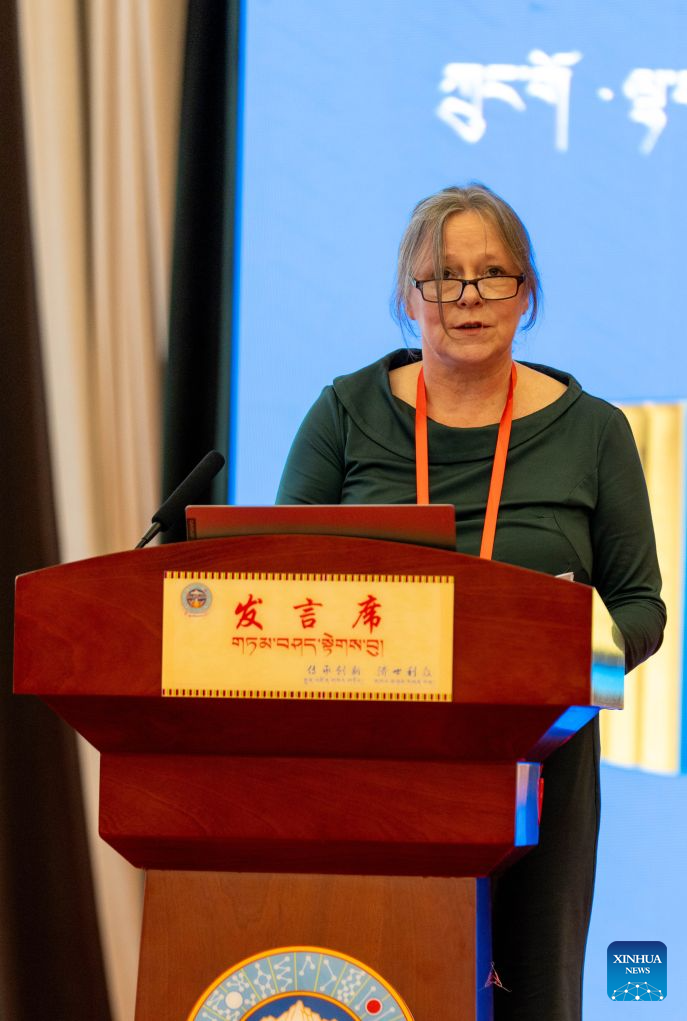
Held in the regional capital Lhasa, the second international academic symposium on "The Four Treatises of Tibetan Medicine" and Tibetan medical thangkas brought together more than 200 experts from China, Britain, Germany, Austria, Mongolia and Nepal.
Discussions centered on the historical evolution of the classic treatises, the iconographic interpretation of Tibetan medical thangkas, and pathways for modern clinical application and international cooperation.
At the symposium, a research center for Tibetan medical thangkas was inaugurated.
Written between the 8th and 12th centuries, "The Four Treatises of Tibetan Medicine" is the most influential foundational work on traditional Tibetan medicine. It was inscribed on the UNESCO Memory of the World Register in 2023.
Based on the work, the 80-scroll Tibetan medical thangkas serve as a visual teaching complement, covering diagnostics, pharmacology, preventive care and medical ethics. The medical thangkas were added to China's national documentary heritage list also in 2023.
Among the participants was Katharina Anna Sabernig, a lecturer from the Medical University of Vienna, Austria, who first encountered Tibetan medical murals at Labrang Monastery in Gansu Province in 1994. She later returned and began delving deeper into the works.
"I saw these murals and I started to get deeper and deeper and to understand all this," Sabernig recalled.
Mary Caroline Wyatt, a scholar with dual British-Greek citizenship, began collaborating on an English translation of texts about Tibetan medical thangkas last September. She noted that complete English versions have long been scarce.
"Our translations target professional readers so that we preserve many specialized, traditional terms," said Wyatt.
The event was hosted by the regional health commission and co-organized by the regional Tibetan medicine hospital and Xizang University of Tibetan Medicine.
Xizang has formulated and implemented a series of policies on promoting Tibetan medicine and encouraging innovation. According to a government white paper released last year, the region has 51 public Tibetan medicine institutions, employing 5,287 professionals and operating 3,260 beds, up from 28 institutions, 2,232 professionals and 1,364 beds in 2012.
In April, China rolled out its first national recommended standard for ethnic-medicine disease classification and codes for Tibetan medicine.
Tsering, president of the regional Tibetan medicine hospital, said inscriptions on the UNESCO Memory of the World Register and China's national documentary heritage list have brought Tibetan medicine to a broader global audience.
"We will make the most of these opportunities to promote academic exchanges and clinical collaboration worldwide," Tsering said.
。 近年来,抚顺市秉持以人民为中心的发展思想,坚持市场主导与政府引导并举,政策支持与服务保障并重,普遍服务与重点帮扶并行,持续推动“雷锋在线365”就业创业服务品牌不断走深走实,使广大劳动者的获得感、幸福感、安全感更加充实、更有保障、更可持续。 聚焦实施全面振兴新突破三年行动,我市坚持党建引领,释放红色动能,将涵养城市品格的雷锋精神和饱含为民情怀的就业工作深度融合,以行动在线、服务在线、作风在线“三个在线”工作理念为支点,构建“雷锋在线365”就业服务框架,多维度推动公共就业服务下沉延伸、赋能提质。 抚顺市就业和人才服务中心党委书记、主任张晓飞说:‘我们推行“党建+就业”联动模式,开展“结对攻坚就业行”专项行动,按就业重点群体需求提供政策与帮扶举措。

二 | 探索“雷锋在线365+”,打造“雷锋在线365舒心就业进基层”服务站点,运用就业“职”通车、技能加“YOU”站、政策“码”上来、“益”企创业吧等多样化服务载体拓展就业服务场景。2023年以来,服务企业5万家次,帮扶就业重点群体81万人次;布局80个服务站点,就近帮扶4579名就业困难人员实现就业。’ 抚顺市积极探索将基层就业公共服务融入党建引领基层治理范畴,深度挖掘并着力打造就业一线的良好风貌。“11349”服务模式、“社区合伙人”就业联盟、“朝阳模式”、“高山模式”等一系列基层公共就业服务工新作法、新模式纷纷落地,使舒心服务实现零距离,暖心服务更加贴近群众、深受好评。同时,借助“大数据+铁脚板”优势,利用数字化平台抓取信息,大力推广应用“掌上光明”微信小程序,构建起实体大厅、网上平台、移动应用、自助终端一体的公共就业服务平台,进一步提升了就业服务的便捷性与精准性。 在服务保障方面,我市坚持从破解“有活没人干”和“有人没活干”这一现实问题入手,探索“双线招聘+成果展示+直播带岗+视频探岗+政策宣传+用工维权”一体化服务保障模式。通过市县(区)协同、部门联动、跨区域协作等多元供给模式搭建“固定直播间+流动直播点”双推介平台,优化畅通“人社局长走进直播间”“小何带您进企业”等服务路径,确保就业政策服务能够直通直达,有效满足了劳动者的就业需求。针对零工群体,我市还综合考量其聚集特点,因地制宜设立零工市场,将用工对接、信息发布、职业介绍、政策咨询等服务功能有机融合为一体。 抚顺市就业和人才服务中心党委书记、主任张晓飞说:‘在引才工作上,我们聚焦高校毕业生就业服务和企业人才需求服务,项目化实施“梦筑雷锋城 引才助振兴”特色人才项目,深入开展高校学子留抚来抚“双走进”攻坚行动,通过“政社校企”四方联动,建立“校园双选会+公共就业服务进校园+校地合作”一体化服务模式,有力地促进了企业与人才的“双向奔赴”,为城市高质量发展提供了坚实的人才支撑。’ 责任编辑:李丹。
Current article:http://inrqs.wenwancaomohenenqiongpangshun.bond/8sp/20260826/4097.html
Published on:07:24:12
我的网站最新文章
- AI算力紧缺时代,大学生买不起电脑了
- 北方华创:上半年净利润同比增长5.05%
- 国补政策10月5日最新消息:国补结束了吗?国补第四批690亿10月继续领取,2025年年底结束
- 金辰股份:拟投资10亿元建设半导体装备研发及制造项目
- 带回家持刀威胁女友索性非礼 涉毒青年被判监打鞭
- 《上海市加快推进新型工业化构建现代化产业体系“十五五”规划》:支持微型发光二极管、硅基有机发光二极管、柔性显示等技术发展
- Boyfriend arrested after Northern California sheriff's deputy found dead at her home
- 美国传奇球星“老虎”伍兹被捕!出车祸神志不清,被指控酒驾毒驾
- 红河州福彩市场销售员技能提升培训圆满举行
- 土耳其官媒:美国走了,希望土耳其未来成为对抗中俄的前线国家
- 利好来了!这些折叠屏概念股业绩有望高增长(附名单)
- Chinese prez opens 20th Communist Party Congress
- 慈世平自曝:湖人以百亿美元出售时 我曾出价1亿美元谋求1%股份
我的网站随机推荐
- 52岁贝嫂裸色透视裙惊艳亮相 与15岁哈珀温情同框
- 【研报观点】8月26日聚丙烯最新观点汇总
- 冲刺四季度丨抚顺县:全力推进文旅融合高质量发展
- 乡村振兴看大连 | “葡萄之乡”特色产业扶持百姓脱贫_李官镇_栽培
- Injuries from electric scooters on the rise: Officials
- Tulsa massacre survivor, residents push to boost Black community's prominence, a century after killings
- 运价比货值还贵!美东之后 中东航线海运费突破1万美元 舱位为何仍然吃紧?
- 火箭媒体人:德安东尼让布兹德里克主管防守
- 广告联盟选型避坑清单:这5类联盟千万别碰
- 一只猴子大闹印度小镇三天,6人遭重创,全民自卫抵抗猴王侵袭!
- 习近平的文化情怀丨“要像爱惜自己的生命一样保护好城市历史文化遗产”
- 芸能界入りのきっかけは他界した秘密主義の国民的名優 親友の黒柳にアルピー平子が尋ねたことは【徹子の部屋】
- 在线捐20元就被“默认”打赏平台3元,合理吗?